
Braces are one of the most effective ways to straighten teeth, correct bite problems, and improve long-term oral health. By gently moving teeth into healthier positions, braces can enhance the appearance of your smile while also supporting better function, alignment, and comfort.At Georgetown Orthodontics, children, teens, and adults can receive personalized orthodontic care designed around …


Braces are one of the most effective ways to straighten teeth, correct bite problems, and improve long-term oral health. By gently moving teeth into healthier positions, braces can enhance the appearance of your smile while also supporting better function, alignment, and comfort.
At Georgetown Orthodontics, children, teens, and adults can receive personalized orthodontic care designed around their unique smile goals. Whether you are considering braces for yourself or your child, understanding how treatment works can help you feel more confident before getting started.
What Are Braces?
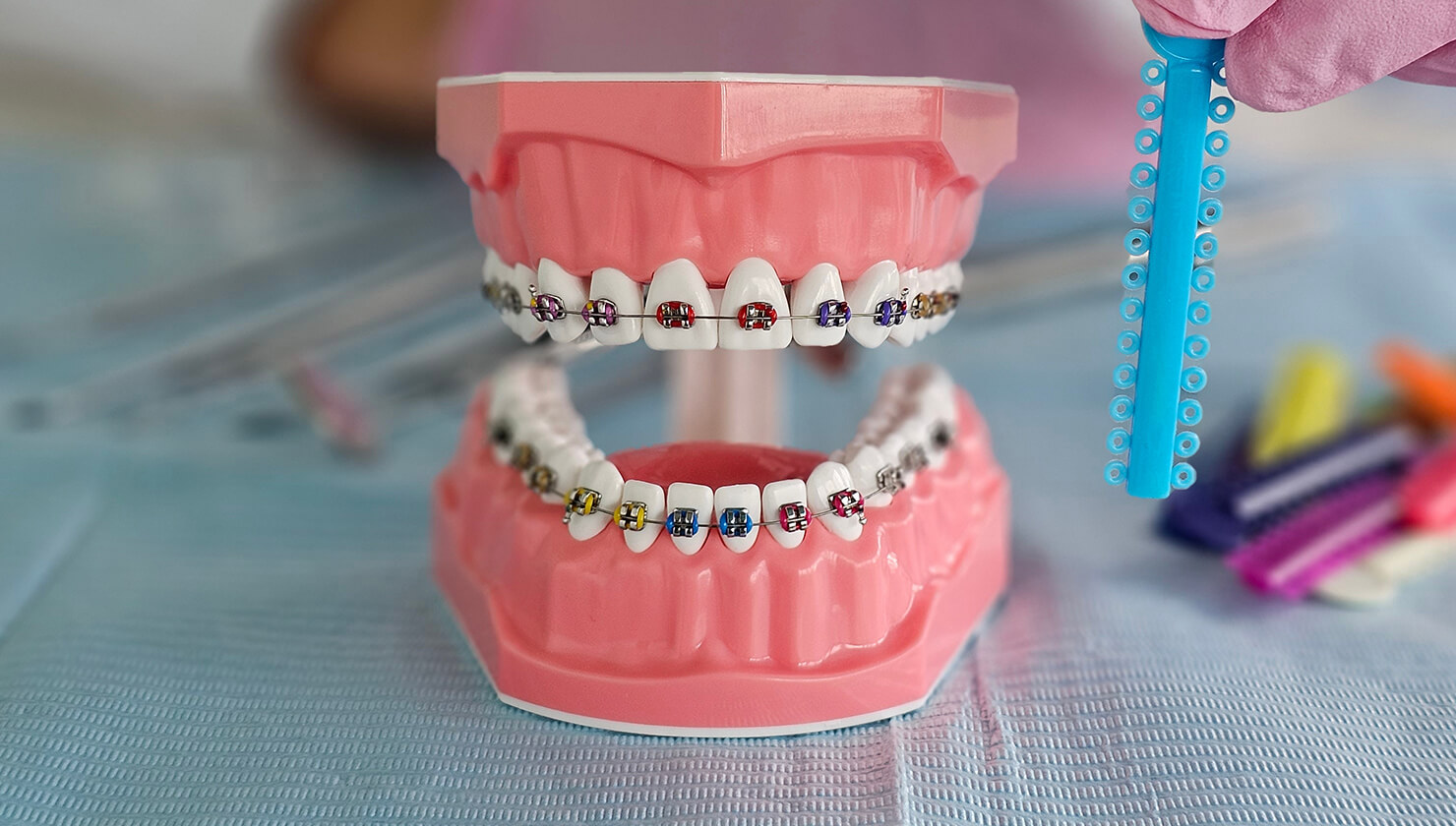
Braces are orthodontic appliances that gently guide the teeth into better alignment over time. They typically include brackets, wires, and other small components that work together to apply steady, controlled pressure to the teeth.
The goal of braces is to improve both the appearance of the smile and the way the teeth and bite function. When teeth are properly aligned, they are often easier to clean, more comfortable to use, and better positioned for long-term oral health.
What Problems Can Braces Correct?
Braces can help correct many common orthodontic concerns, including:
- Crowded teeth
- Gaps or spacing between teeth
- Overbite
- Underbite
- Crossbite
- Open bite
- Jaw alignment concerns
- General bite problems
Because braces are attached to the teeth, they work continuously throughout the day. This makes them a reliable option for patients who need consistent tooth movement or more complex bite correction.
Types of Braces
There are several types of braces available, and the right option depends on each patient’s needs, lifestyle, and treatment goals.
Traditional Metal Braces
Traditional braces use metal brackets and wires to move the teeth into proper alignment. They are a dependable and effective option for many orthodontic cases, including more complex tooth and bite concerns.
Clear Braces
Clear braces work similarly to traditional metal braces, but they use tooth-colored or clear brackets for a more discreet appearance. This can make them a popular choice for teens and adults who want a less noticeable treatment option.
Self-Ligating Braces
Self-ligating braces use brackets that hold the wire without the need for traditional elastic ties. This design may help reduce friction and can make cleaning easier for some patients.
During your consultation, your orthodontist can explain which type of braces may be the best fit for your smile.
What to Expect During Braces Treatment
The first step in braces treatment is a comprehensive orthodontic examination. Your orthodontist will evaluate your teeth, bite, and jaw alignment. Digital imaging may also be used to create a personalized treatment plan.
Once treatment begins, braces are placed on the teeth. Patients then visit the office regularly for adjustments and progress checks. These appointments allow the orthodontic team to make sure the teeth are moving as planned and that treatment stays on track.
After braces are removed, most patients will need retainers to help maintain their new smile. Retainers are an important part of protecting your results and preventing teeth from shifting back over time.
How to Take Care of Braces
Good oral hygiene is essential during braces treatment. Brackets and wires can create extra places for food and plaque to collect, so brushing and flossing carefully each day is very important.
Patients with braces should:
- Brush around brackets and wires after meals
- Floss daily using orthodontic flossers or recommended tools
- Avoid hard, sticky, and chewy foods
- Keep up with regular orthodontic appointments
- Call the office if a bracket, wire, or appliance feels loose or uncomfortable
Some soreness after adjustments is normal and usually improves within a few days. Eating softer foods and following your orthodontist’s instructions can help make the adjustment period easier.
Benefits of Braces
Braces can improve much more than the appearance of your smile. They can also support better oral health and bite function.
Common benefits of braces include:
- Straighter teeth
- Improved bite alignment
- Better chewing function
- Easier brushing and flossing
- Reduced risk of uneven tooth wear
- Improved confidence
- Long-term smile stability with proper retainer use
When teeth are properly aligned, they are often easier to clean. This can help reduce the risk of plaque buildup, gum irritation, cavities, and other oral health concerns.
Braces vs. Clear Aligners
Braces and clear aligners can both help straighten teeth, but they work in different ways.
Braces are attached to the teeth and stay in place throughout treatment. This means they are always working and do not rely on the patient remembering to wear them.
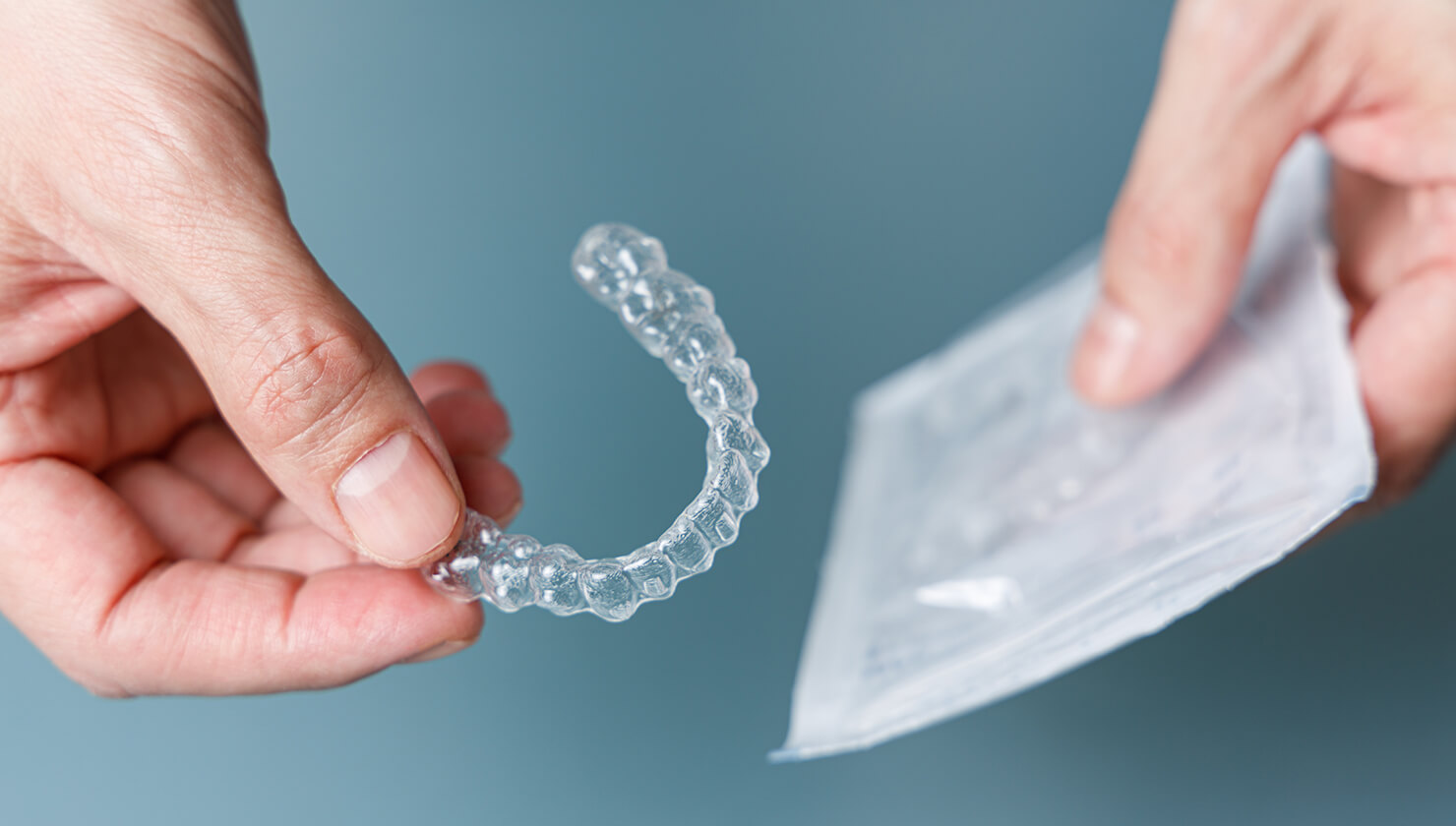
Clear aligners, such as Invisalign, are removable and nearly invisible. They can make eating and brushing more convenient, but they must be worn as directed to be effective. If aligners are not worn consistently, treatment progress can slow down.
For patients with more complex orthodontic needs, braces may be the better option. For others, Invisalign may be a great fit. The best way to know which treatment is right for you is to schedule a consultation with an orthodontist.
Who Can Get Braces?
Braces can be a great option for children, teens, and adults. Orthodontic treatment is personalized, so age, dental development, bite alignment, and smile goals all play a role in determining the right approach.
Braces for Children
Early orthodontic checkups allow the orthodontist to monitor jaw growth, tooth eruption, and bite development. Braces may be recommended if the teeth need straightening or if the bite needs guidance as the child grows.
You can learn more about different phases of care on the Orthodontic Treatment Stages page.
Braces for Teens
The teen years are a common time for orthodontic treatment because most permanent teeth have come in. Braces can help guide tooth alignment, improve bite function, and support better oral hygiene habits.
Braces for Adults
Many adults choose orthodontic treatment to improve their smile, bite, and confidence. Adult patients may also be interested in more discreet options, such as clear braces or Invisalign. It is never too late to work toward a healthier, more confident smile.
Understanding Braces Cost
The cost of braces depends on several factors, including treatment complexity, the type of braces used, the length of treatment, and whether retainers are included after treatment.
Because every smile is different, the best way to understand the cost of braces is to schedule a consultation. During your visit, the team can review your treatment options and explain pricing based on your specific needs.
Georgetown Orthodontics also provides helpful information about payment options on the Finance & Insurance page.
Insurance and Financing for Braces
Some dental insurance plans may cover a portion of orthodontic treatment. Flexible payment options may also be available to help make care more manageable.
Before beginning treatment, your orthodontic team can discuss your estimated costs, insurance benefits, and financing options. This helps you understand what to expect before moving forward with braces.
Questions to Ask During Your Consultation
Your consultation is a great time to learn more about your treatment options and what to expect. Helpful questions to ask include:
- What type of braces do you recommend for my smile?
- How long will treatment take?
- How often will I need appointments?
- What foods should I avoid with braces?
- Will I need retainers after treatment?
- What payment options are available?
- Is Invisalign or another clear aligner option right for me?
If you are preparing for your first visit, you can also review the New Patient Forms page before your appointment.
Why Personalized Treatment Planning Matters
No two smiles are exactly the same. Personalized treatment planning allows your orthodontist to evaluate your teeth, bite, jaw alignment, and overall goals before recommending a treatment option.
Digital technology, careful monitoring, and customized planning can help improve treatment accuracy and long-term results. A personalized approach also helps ensure that your treatment is designed around your needs rather than a one-size-fits-all plan.
Why Choose Georgetown Orthodontics?
Georgetown Orthodontics provides comprehensive orthodontic care for children, teens, and adults. Braces treatment is customized to each patient and supported by modern orthodontic technology, progress checks, and patient-focused care.
Throughout treatment, the team monitors your progress, makes adjustments as needed, provides home-care guidance, and helps plan for retainers after braces. This continued support helps patients achieve and maintain a healthy, confident smile.
Areas We Serve
Georgetown Orthodontics proudly serves patients in:
- Georgetown, CT
- Redding, CT
- Easton, CT
- Weston, CT
- Ridgefield, CT
- Wilton, CT
- Surrounding Connecticut communities
Schedule a Braces Consultation in Georgetown, CT
Braces can help improve your smile, bite, and long-term oral health. Whether you are exploring braces for your child, your teen, or yourself, Georgetown Orthodontics can help you understand your options and create a treatment plan that fits your needs.
To get started, contact Georgetown Orthodontics to schedule a consultation.
Frequently Asked Questions About Braces
How much do braces cost in Georgetown, CT?
The cost of braces depends on the complexity of treatment, the type of braces used, and the expected treatment length. A consultation provides a personalized estimate and allows the team to review payment options.
Where can I get braces near Weston, CT?
Georgetown Orthodontics provides braces treatment for children, teens, and adults in the Weston, CT area and surrounding communities.
What types of braces are available in Georgetown, CT?
Treatment options may include traditional metal braces, clear braces, self-ligating braces, and Invisalign clear aligners. Your orthodontist can help determine which option is right for you.
How long does braces treatment take?
Braces treatment often takes 12 to 24 months, but every patient is different. Treatment length depends on the position of the teeth, bite alignment, and the personalized treatment plan.
Where can I get braces near Ridgefield, CT?
Georgetown Orthodontics provides braces treatment for patients in Ridgefield, CT and nearby areas using personalized treatment planning and modern orthodontic techniques.
How much do braces cost near Ridgefield, CT?
The cost of braces varies based on each patient’s needs, treatment length, and the type of braces selected. A consultation is the best way to receive a clear cost estimate and review financing options.
Book a Consultation
It’s easy and free!